Skip to content

Tummy Tuck Surgery (Abdominoplasty)

Request a Consultation

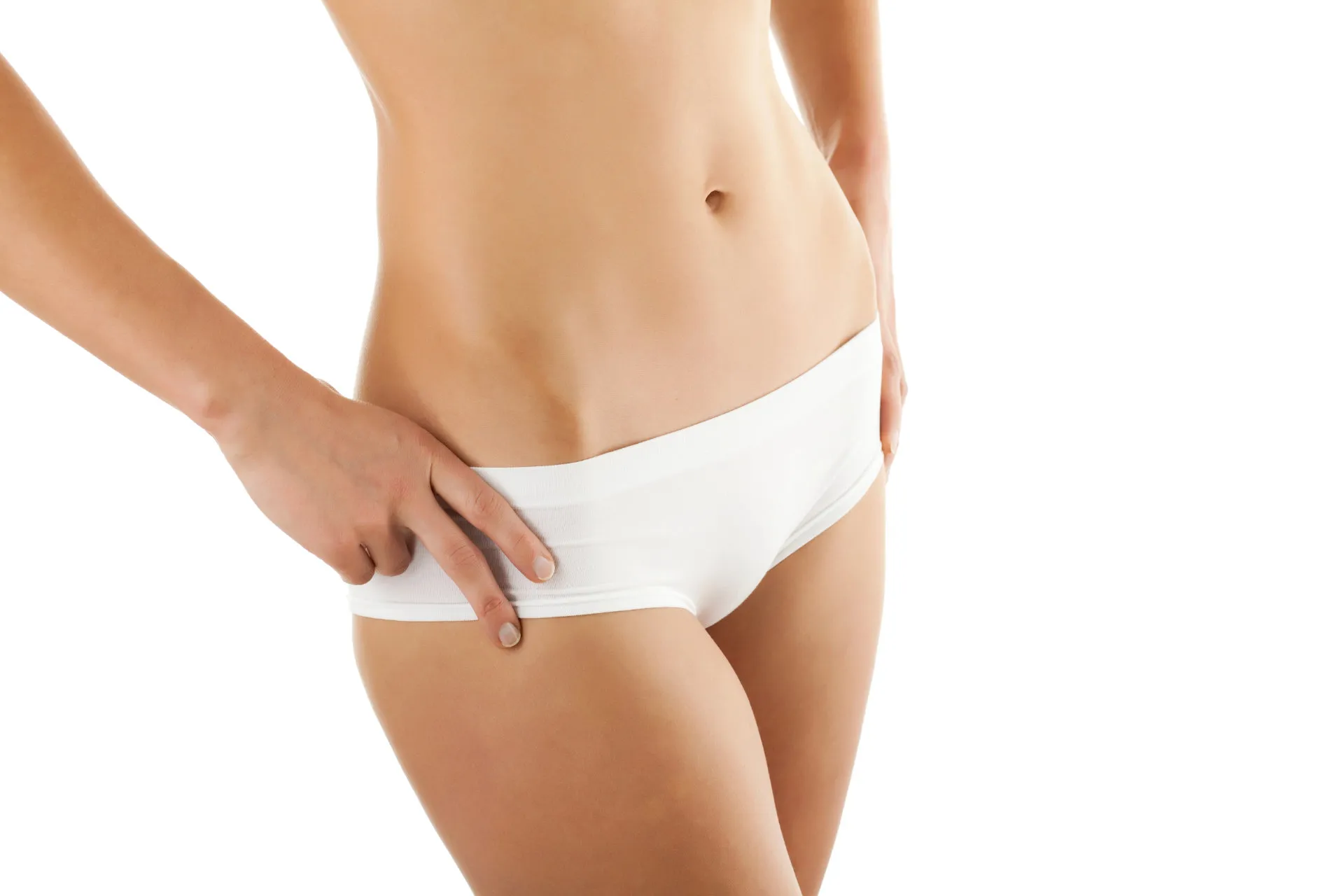
Tummy tuck surgery, also known as abdominoplasty, is a cosmetic procedure designed to improve the appearance of the abdomen by removing excess skin and fat and by tightening the abdominal muscles. This procedure is especially popular among individuals who have experienced significant weight loss or pregnancy, both of which can lead to loose, sagging skin and weakened or separated abdominal muscles. The result of a tummy tuck is a flatter, firmer abdomen and a more contoured waistline.

About the Procedure

Here is what you can expect for tummy tuck surgery:

01

Tummy Tuck Options

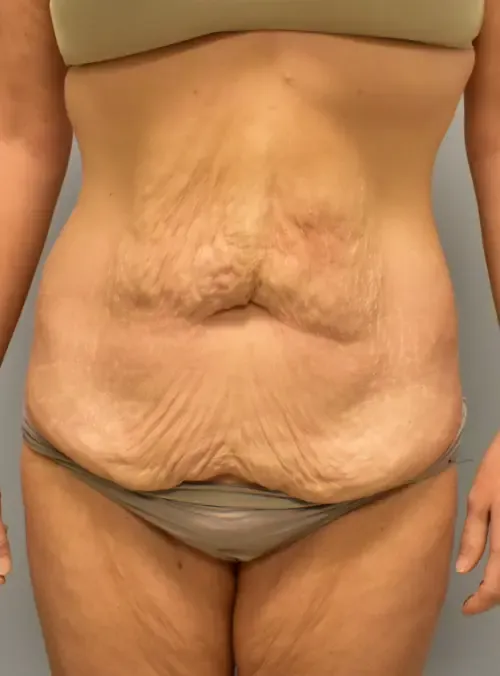
There are several different techniques used for tummy tuck surgery. A traditional (full) tummy tuck addresses both the upper and lower abdomen and is ideal for patients with a significant amount of excess skin and muscle laxity. A mini tummy tuck is less extensive and focuses only on the area below the navel (the lower abdomen), making it ideal for patients with a smaller amount of excess skin and fat that is mostly or completely isolated in the lower abdominal area. For patients with significant excess skin around the hips, flanks, and lower back (often as a result of major weight loss), an extended tummy tuck may be performed. The technique will be determined based on your anatomy and desired outcome.
02

Incision Placement

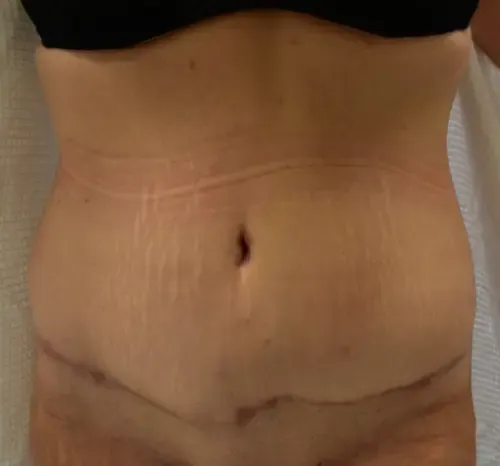
The incision for a tummy tuck is typically placed horizontally just above the pubic area. It can vary in length depending on the amount of excess skin to be removed. In some cases, a second incision around the navel is necessary to address excess skin in the upper abdomen. The length and placement of the incision will be determined based on your anatomy and desired outcome.
03

The Surgery

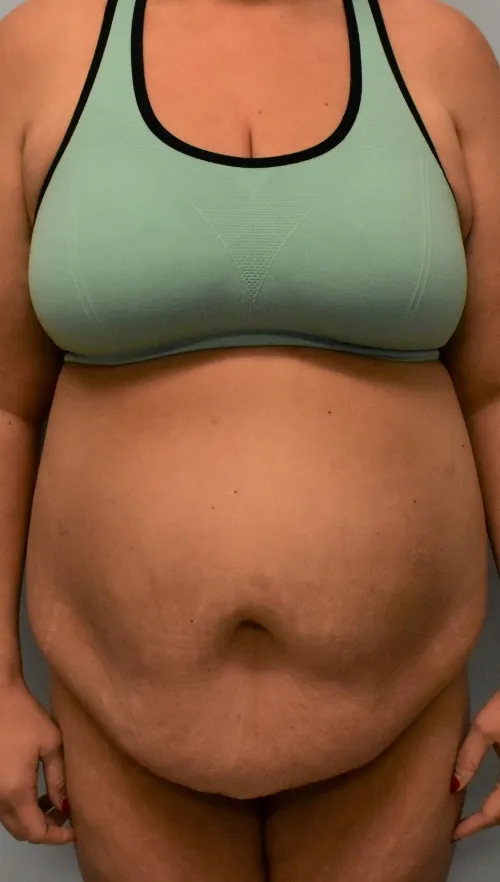
During a tummy tuck, the surgeon removes excess skin from the abdominal area. The underlying abdominal muscles are tightened to create a flatter, more toned appearance. Often, liposuction is performed to reduce persistent belly fat. The remaining skin is then redraped over the new tighter waistline contour, and the incisions are carefully closed with sutures.

Candidates

You may be a candidate for tummy tuck surgery if:

  • You have loose, sagging skin on your abdomen due to weight loss, pregnancy, or aging
  • You have separated or weakened abdominal muscles (diastasis recti)
  • You have excess fat in your abdominal area that does not respond to diet and exercise
  • You are in good overall health and have realistic expectations for the outcome
  • You are a non-smoker (or are willing to quit prior to surgery)

Ideal candidates should also be at or near their stable weight, as significant weight fluctuations can affect the results.

Request a Consultation
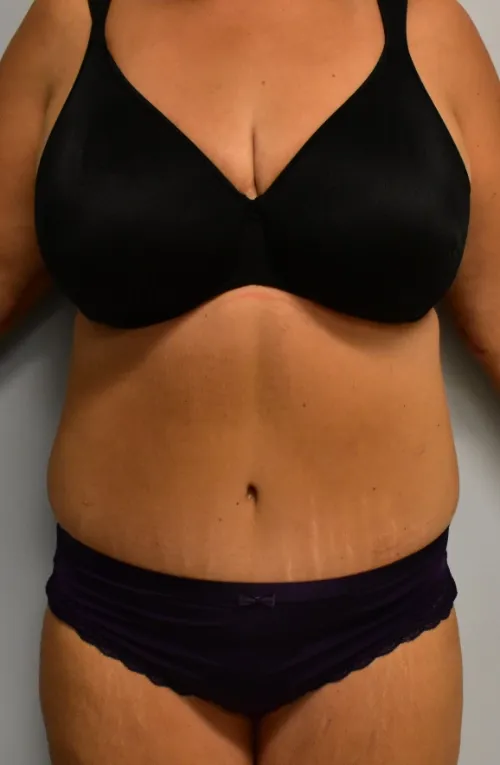
Tummy Tuck patient 1, before
Tummy Tuck patient 1, after
Before After
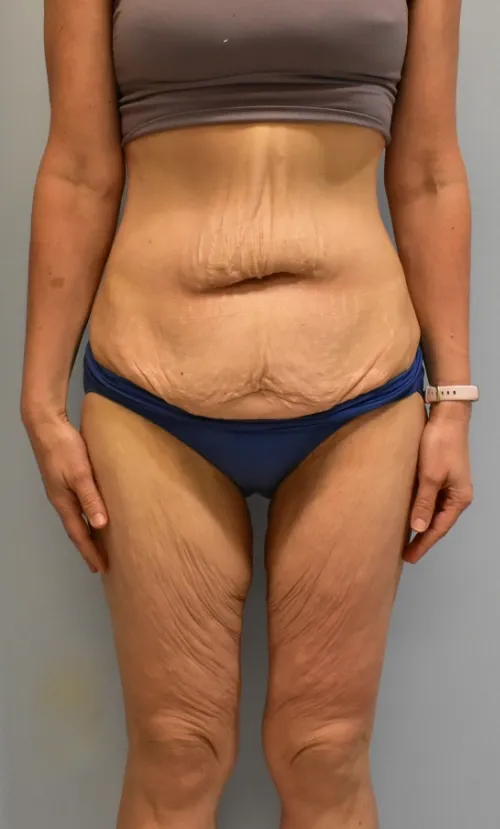
Tummy Tuck patient 2, before
Tummy Tuck patient 2, after
Before After
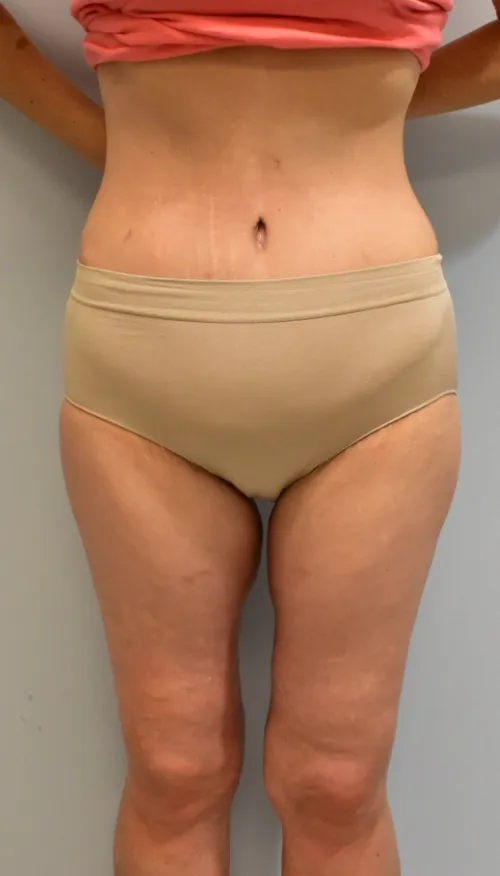
Tummy Tuck patient 3, before
Tummy Tuck patient 3, after
Before After

Recovery

Recovery from tummy tuck surgery varies from patient to patient. In general, here’s what you can expect:

  1. Immediate Post-Operative Care

    After surgery, you will be monitored in a recovery room before being discharged. You will need someone to drive you home and stay with you for the first 24 to 48 hours. Compression garments may be placed on your abdomen to help reduce swelling and support the new contours during the healing process.

  2. First Week

    Most of this week will be spent resting and allowing your abdomen to heal. Swelling, bruising, and some discomfort are normal; these symptoms can be managed with prescribed medications. You will be advised to keep your upper body slightly elevated and avoid activities that could strain the incision. It’s important to avoid any strenuous activities, heavy lifting, or intense exercise during this period to ensure proper healing.

  3. Resuming Activities

    Most patients can expect to start feeling more comfortable after the first few days. Light activities can generally be resumed within 1 to 2 weeks. However, you should plan to take at least 7 to 14 days off work. Those with physically demanding jobs may need to take off more time before returning to work. It’s also important to wait at least 4 to 6 weeks to perform strenuous activities, and wait up to 12 weeks to do any exercises that involve the core muscles.

  4. Long-Term Recovery

    While much of the swelling and bruising will subside within the first 2 to 4 weeks, it can take several months for your abdomen to fully heal, for swelling to completely subside, and for the final results to become apparent. Regular follow-up appointments will help monitor your progress and ensure optimal healing.

Dr. Colton McNichols, MD FACS

Your Surgeon

Colton McNichols, MD FACS

Dr. McNichols performs tummy tuck surgery at his practice in Pueblo, Colorado, where much of his work centers on body contouring after significant weight loss and pregnancy.

Dr. Colton McNichols is a board-certified plastic and reconstructive surgeon living in Colorado. After completing his training at Johns Hopkins Hospital, he moved with his family out west to enjoy the scenery and outdoors. Throughout his career, he has focused more of his practice on cosmetic surgery and body contouring after weight loss.

Learn more about Dr. McNichols
  • American Board of Plastic Surgery
  • The Aesthetic Society
  • American Society for Aesthetic Plastic Surgery
  • American Society of Plastic Surgeons
  • Fellow of the American College of Surgeons

Frequently Asked Questions

How long do the results of tummy tuck surgery last?

The results of a tummy tuck can be long-lasting if you maintain a stable weight and a healthy lifestyle, and if you avoid becoming pregnant. While the natural aging process will continue, your abdomen should retain its improved contour for many years.

Will tummy tuck surgery leave visible scars?

Tummy tuck incisions are placed as inconspicuously as possible to minimize their visibility. While scarring is inevitable, tummy tuck scars can be hidden by most underwear and swimwear. The scars also usually fade over time. Proper aftercare can help your scars heal well and reduce their appearance.

Are there risks associated with tummy tuck surgery?

As with any surgery, there are risks associated with tummy tuck surgery. These can include infection, fluid accumulation (seroma), prolonged swelling, poor wound healing, changes in skin sensation (such as numbness or tingling), adverse reactions to anesthesia, or, rarely, blood clots. The risks are minimized when the procedure is performed by a qualified and experienced plastic surgeon. The specific risks will be discussed with you in detail before your surgery.

Can tummy tuck surgery be combined with other procedures?

Yes, tummy tuck surgery can be combined with other body contouring procedures (such as liposuction or breast surgery) to achieve more comprehensive results. Combining procedures can also reduce overall recovery time compared to having multiple surgeries separately.

Should I wait to have a tummy tuck until after I’m done having children?

If you’re planning to have more children, it’s usually better to delay your tummy tuck until you’re certain that your family is complete. Pregnancy stretches the abdominal muscles and skin, so if you become pregnant after a tummy tuck it could potentially reverse some of the results of your surgery. Waiting to get a tummy tuck until after you’ve completed your family will help ensure the longest-lasting results and minimize the need for any additional procedures in the future.

How soon will I see the results of my tummy tuck?

You will begin to see improvements as the initial swelling starts to subside a few weeks after surgery. However, it can take several months for your abdomen to fully heal and for the final results to be visible. Patience is key as your abdomen continues to refine over that time.

Personalized Solutions To Achieve Your Ideal Image

Contact us to schedule a consultation with Dr. McNichols to begin your transformative journey.

Get Started