Skip to content

Blepharoplasty (Eyelid Surgery)

Request a Consultation

Blepharoplasty, commonly known as eyelid surgery, is a cosmetic procedure that can improve the appearance of the eyes by addressing issues such as droopy upper eyelids and puffy bags beneath the eyes. Cosmetic eyelid issues may be attributed to aging, genetics, or environmental factors, and they can make you look tired, sad, and old. Upper and/or lower eyelid surgery can help restore a more youthful, refreshed look to the eyes that will rejuvenate your overall facial appearance.

About the Procedure

Here is what you can expect for upper and lower eyelid surgery:

01

Upper Blepharoplasty

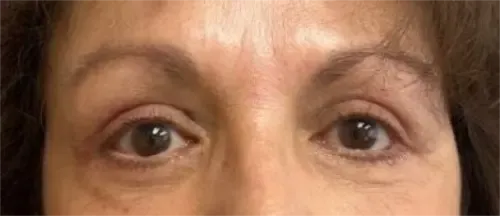
Surgery on the upper eyelids involves making an incision within the natural crease of the upper eyelid. Through this incision, the surgeon removes or repositions excess skin, muscle, and sometimes fat to correct droopiness and improve the overall contour of the upper eyelid. This results in a more open and youthful appearance.
02

Lower Blepharoplasty

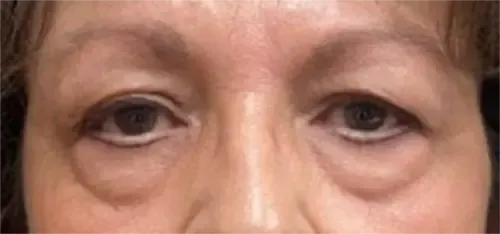
For lower eyelid surgery, the incision is typically made either just below the lower lash line or inside the lower eyelid. The surgeon removes or redistributes fat deposits that cause puffiness under the eye, and also tightens and smooths the lower eyelid skin. The result is a smoother, firmer under-eye area, with significant improvement in the appearance of bags and wrinkles.

03

Upper and Lower Blepharoplasty (Together)

Depending on your needs, blepharoplasty can be performed on the upper eyelids, lower eyelids, or both together. It can also be combined with other facial procedures (such as a facelift) to achieve more comprehensive facial rejuvenation.

Candidates

You may be a candidate for upper and lower blepharoplasty if:

  • You have excess upper eyelid skin that hangs over your eyes (in some cases, impairing vision)
  • Your upper eyelids appear droopy or heavy
  • You have puffy bags or dark circles under your eyes
  • You have fine wrinkles and sagging skin around your lower eyelids
  • You are in good overall health and have realistic expectations for the outcome
  • You are a non-smoker (or are willing to quit prior to surgery)

Candidates must also be not currently pregnant or breastfeeding.

Request a Consultation
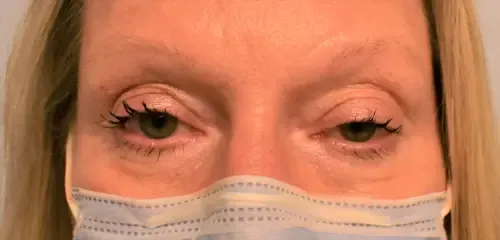
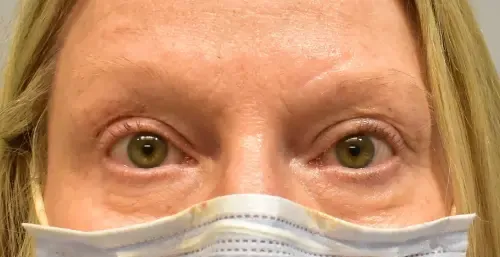
Eyelid Lift (Blepharoplasty) patient 1, before
Eyelid Lift (Blepharoplasty) patient 1, after
Before After
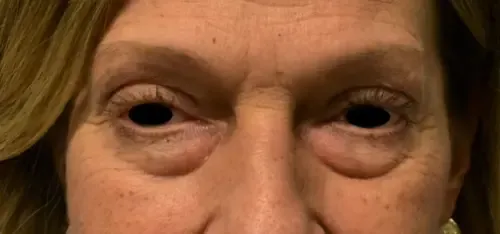
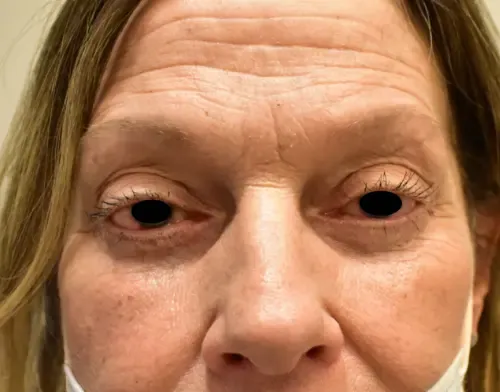
Eyelid Lift (Blepharoplasty) patient 2, before
Eyelid Lift (Blepharoplasty) patient 2, after
Before After
Eyelid Lift (Blepharoplasty) patient 3, before
Eyelid Lift (Blepharoplasty) patient 3, after
Before After

Recovery

Recovery from breast augmentation varies from patient to patient. In general, here’s what you can expect:

  1. Immediate Post-Operative Care

    After surgery, you will be monitored in a recovery room before being discharged. You will need someone to drive you home and stay with you for the first 24 to 48 hours. Your eyes may be lubricated and covered with cold compresses to reduce swelling and bruising.

  2. First Week

    Most of this week will be spent resting and healing. Swelling, bruising, and mild discomfort around the eyes are common; these symptoms can be managed with prescribed medications. You may experience some temporary dryness or sensitivity in your eyes. Protecting your eyes from sun exposure and wind is crucial during the recovery period. Many patients can return to work and social activities after about 7 to 10 days.

  3. Resuming Activities

    Within a few days after surgery, most patients can resume walking and other light activities. However, it is important to wait at least 2 to 4 weeks to resume any strenuous activities, including bending over and lifting heavy objects, as well as any activities that could strain your eyes.

  4. Long-Term Recovery

    As swelling and bruising start to subside after a couple weeks, you will begin to see the results of your eyelid surgery. It may take several weeks to a few months for the final results to fully develop as your eyelids settle into their new shape. Regular follow-up appointments will help monitor your progress and ensure optimal healing.

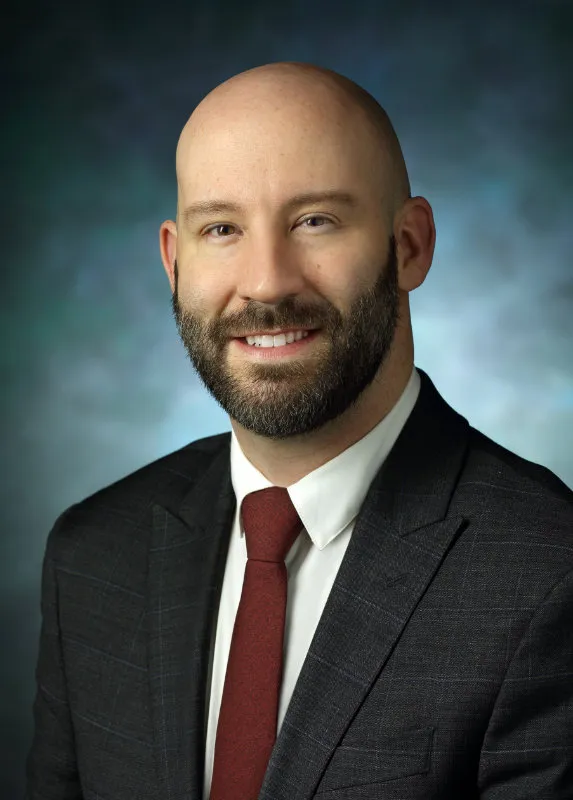
Dr. Colton McNichols, MD FACS

Your Surgeon

Colton McNichols, MD FACS

Dr. McNichols performs eyelid surgery at his practice in Pueblo, Colorado, treating the upper lids, the lower lids, or both in a single procedure.

Dr. Colton McNichols is a board-certified plastic and reconstructive surgeon living in Colorado. After completing his training at Johns Hopkins Hospital, he moved with his family out west to enjoy the scenery and outdoors. Throughout his career, he has focused more of his practice on cosmetic surgery and body contouring after weight loss.

Learn more about Dr. McNichols
  • American Board of Plastic Surgery
  • The Aesthetic Society
  • American Society for Aesthetic Plastic Surgery
  • American Society of Plastic Surgeons
  • Fellow of the American College of Surgeons

Frequently Asked Questions

How long do the results of blepharoplasty last?

The results of eyelid surgery can be long-lasting; most patients enjoying a refreshed appearance for many years. However, the natural aging process will continue, so you may notice subtle changes over time. Maintaining a healthy lifestyle and protecting your skin from sun damage can help prolong your results.

Will eyelid surgery leave visible scars?

Blepharoplasty incisions are placed inconspicuously so that any scarring should be hardly noticeable (and possibly undetectable). Over time, these scars also usually fade. Following proper aftercare instructions can help minimize scarring and promote optimal healing.

Are there risks associated with blepharoplasty?

As with any surgery, there are risks associated with blepharoplasty. The most common risks include infection, dry eyes, difficulty closing the eyes completely, and changes in vision. However, these risks are greatly minimized when the procedure is performed by a qualified and experienced plastic surgeon. The specific risks of eyelid surgery will be discussed with you in detail before your surgery.

Can blepharoplasty be combined with other procedures?

Yes. Blepharoplasty can be combined with other facial procedures, such as brow lift surgery or facelift surgery, to achieve more comprehensive facial rejuvenation. Combining procedures can also reduce overall recovery time compared to having multiple surgeries separately.

How soon will I see the results of my blepharoplasty?

You will start notice the initial improvements as the swelling and bruising subside, usually beginning the first two weeks after surgery. It can take several months for the final results to fully develop as the tissues continue to heal and settle.

Personalized Solutions To Achieve Your Ideal Image

Contact us to schedule a consultation with Dr. McNichols to begin your transformative journey.

Get Started