Skip to content

Gynecomastia Surgery

Request a Consultation

Gynecomastia surgery, also known as male breast reduction, is designed to reduce excess tissue in the male chest and create a flatter, more masculine contour. For many men, excess chest fullness can feel frustrating, especially when diet and exercise do not seem to make a difference. Gynecomastia surgery can restore a firmer, more natural chest shape and help you feel more confident in your body.

About the procedure

Gynecomastia surgery is tailored to your specific needs and goals. Options include:

01

Liposuction

In some men, excess fatty tissue is the primary cause of chest fullness. When this is the case, liposuction may be performed to remove fat and improve chest contour. Small incisions are made in discreet locations, and a thin tube called a cannula is inserted to gently suction out excess fat. This can help create a flatter, more defined chest shape.

02

Surgical Excision

For many male patients, chest fullness also involves excess glandular breast tissue that cannot be effectively treated with liposuction. In these cases, direct surgical excision is performed to remove the glandular tissue and flatten the chest. The incision for this approach is usually placed around the edge of the areola so that scarring will be as inconspicuous as possible. In many cases, the best results are achieved with a combination of liposuction and surgical excision. Using both techniques allows excess fat and glandular tissue to be addressed at the same time, providing a smoother, more complete result. We will discuss the details of your procedure during your consultation to ensure the surgical plan aligns with your anatomy, goals, and desired outcome.

Candidates

You may be a candidate for gynecomastia surgery if:

  • You are bothered by excess chest tissue or fat that does not improve with weight loss or exercise
  • Your chest appears soft, flabby, or lacking in definition
  • You feel self-conscious about the appearance of your chest in fitted clothing or shirtless
  • You are in good overall health, with realistic expectations for the outcome
  • You are a non-smoker (or you are willing to quit prior to surgery)

Ideal candidates should also be at or near a stable body weight, as significant weight fluctuations can affect the results of gynecomastia surgery.

Request a Consultation

Recovery

Recovery from gynecomastia surgery varies from patient to patient. In general, here’s what you can expect:

  1. Immediate Post-Operative Care

    After surgery, you will be monitored in a recovery room before being discharged. You will need someone to drive you home and stay with you for the first 24 to 48 hours. A compression garment may be placed around your chest to help reduce swelling and support your new chest contour during the healing process.

  2. First Week

    Most of this week will be spent resting and healing. Swelling, bruising, soreness, and mild discomfort are normal; these symptoms can usually be managed with prescribed medications. You may be advised to sleep with your upper body slightly elevated and to avoid movements that place unnecessary strain on the chest. It is important to avoid strenuous activities, heavy lifting, and upper-body exercise during this period to support proper healing.

  3. Resuming Activities

    Most patients begin feeling more comfortable after the first several days. Light activities can generally be resumed within a few days to 1 week, and many patients are able to return to work within about 7 to 10 days, depending on the nature of their job. Patients with physically demanding jobs may need more time away from work. Strenuous exercise, heavy lifting, and chest-focused workouts should be avoided for at least 4 to 6 weeks or until cleared by Dr. McNichols.

  4. Long-Term Recovery

    While much of the swelling and bruising will subside within the first few weeks, it can take several months for residual swelling to fully resolve and for the final results to become apparent. As your body continues to heal, your chest should look flatter, firmer, and more defined. Regular follow-up appointments will help monitor your progress and ensure optimal healing.

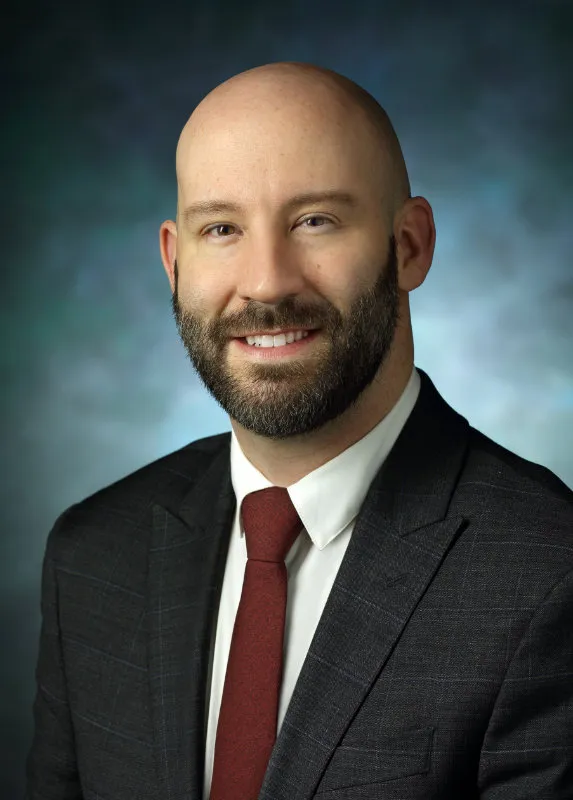
Dr. Colton McNichols, MD FACS

Your Surgeon

Colton McNichols, MD FACS

Dr. McNichols performs gynecomastia surgery at his practice in Pueblo, Colorado, using liposuction, surgical excision, or both depending on the tissue involved.

Dr. Colton McNichols is a board-certified plastic and reconstructive surgeon living in Colorado. After completing his training at Johns Hopkins Hospital, he moved with his family out west to enjoy the scenery and outdoors. Throughout his career, he has focused more of his practice on cosmetic surgery and body contouring after weight loss.

Learn more about Dr. McNichols
  • American Board of Plastic Surgery
  • The Aesthetic Society
  • American Society for Aesthetic Plastic Surgery
  • American Society of Plastic Surgeons
  • Fellow of the American College of Surgeons

Frequently Asked Questions

What causes gynecomastia?

Gynecomastia can develop for a number of reasons, including hormonal changes, genetics, weight fluctuations, certain medications and drugs, or underlying medical conditions. During your consultation, Dr. McNichols can help determine whether surgery is an appropriate option based on your specific concerns.

Will gynecomastia surgery leave visible scars?

Scarring depends on the surgical techniques used. When liposuction alone is performed, scars are typically very small. When surgical excision is performed to remove glandular tissue, the incision is usually placed around the edge of the areola so that the resulting scar is as discreet as possible. Surgical scars generally fade well over time.

Can gynecomastia be treated with liposuction alone?

In some cases, yes. If chest fullness is mainly due to excess fat, liposuction alone may be sufficient. However, many patients also have excess glandular tissue, which usually requires direct excision for the best results.

How long do the results of gynecomastia surgery last?

The results of gynecomastia surgery are long lasting, but factors such as weight gain, hormonal changes, certain medications, and aging may affect your results over time. Maintaining a stable weight and a healthy lifestyle can help prolong your results.

Can gynecomastia come back after surgery?

Recurrence is uncommon, but it can happen in some cases, especially if significant weight gain occurs or if the underlying cause of the gynecomastia is not addressed. Following a healthy lifestyle and your surgeon’s recommendations can help preserve your results.

Can gynecomastia surgery be combined with other procedures?

Yes. Gynecomastia surgery can be combined with other body contouring procedures, such as liposuction or tummy tuck surgery, to achieve more comprehensive body contouring improvements. Combining procedures can also reduce overall recovery time compared to having multiple surgeries separately.

Personalized Solutions To Achieve Your Ideal Image

Contact us to schedule a consultation with Dr. McNichols to begin your transformative journey.

Get Started