Skip to content

A facelift, or rhytidectomy, is a cosmetic procedure designed to reduce visible signs of aging in the face and neck. Over time, factors such as sun exposure, gravity, and the natural aging process can cause the skin to lose elasticity, resulting in wrinkles, sagging, and loss of youthful contours. Facelift surgery can smooth out wrinkles and tighten and lift the underlying facial tissues to restore a more youthful, refreshed appearance.

About the Procedure

Here is what you can expect for facelift surgery.

01

Incision Placement

The incisions for a facelift are typically made in the hairline beginning at the temples, continuing around the ears, and ending in the lower scalp. For patients with significant neck sagging, an additional incision may be made under the chin. These incisions allow the surgeon to access and reposition the underlying facial tissues, tighten facial muscles, and remove excess skin.
02

Lifting and Tightening

During the procedure, the muscles and connective tissue that make up the underlying facial structure are lifted and tightened to restore more youthful facial contours. To eliminate wrinkles and sagging, the skin is then redraped and pulled more snugly over the newly repositioned underlying tissues. Any excess skin is removed.

03

Combining Procedures

Facelift surgery can be combined with other facial procedures, such as a brow lift or eyelid surgery (blepharoplasty), to address multiple concerns and achieve more comprehensive rejuvenation.

Candidates

Facelift surgery is most commonly performed on individuals in their 40s to 60s, but it can also be beneficial for those older or younger, depending on individual needs and signs of facial aging.

  • You have sagging facial skin, especially in your lower face and neck
  • You have deep creases around your nose and mouth (nasolabial folds)
  • You have jowls or a loss of definition along your jawline
  • You have loose, excess skin or fatty deposits in your neck/under your chin
  • You are in good overall health and have realistic expectations
  • You are a non-smoker (or you are willing to quit prior to surgery)

You may be a candidate for facelift surgery if:

Request a Consultation
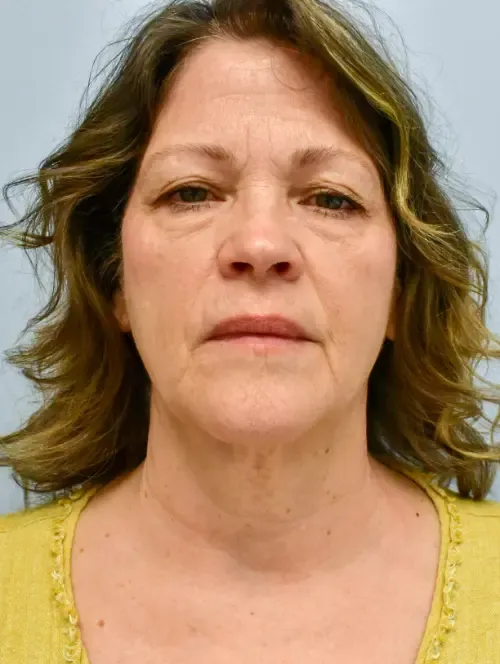
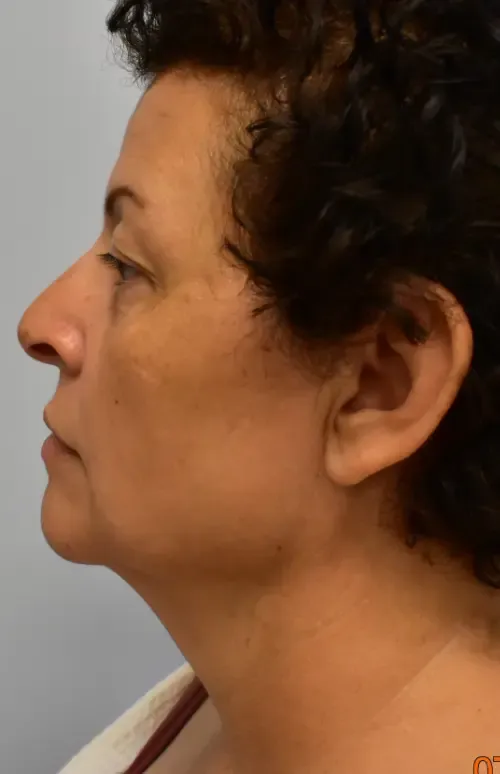
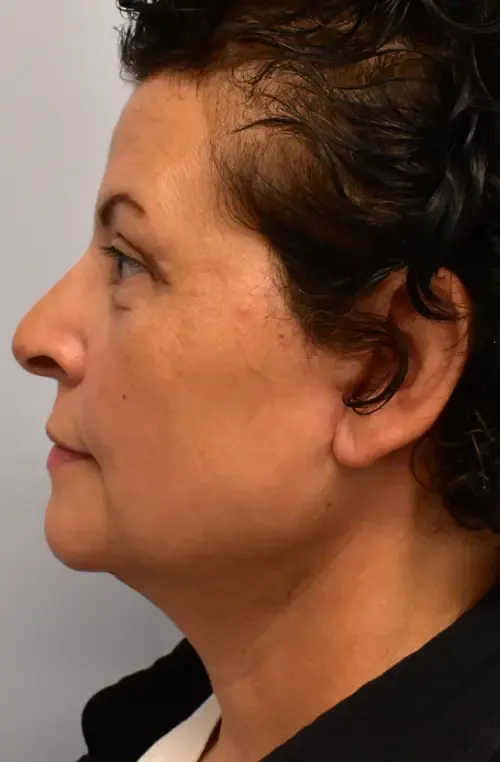
Facelift patient 1, before
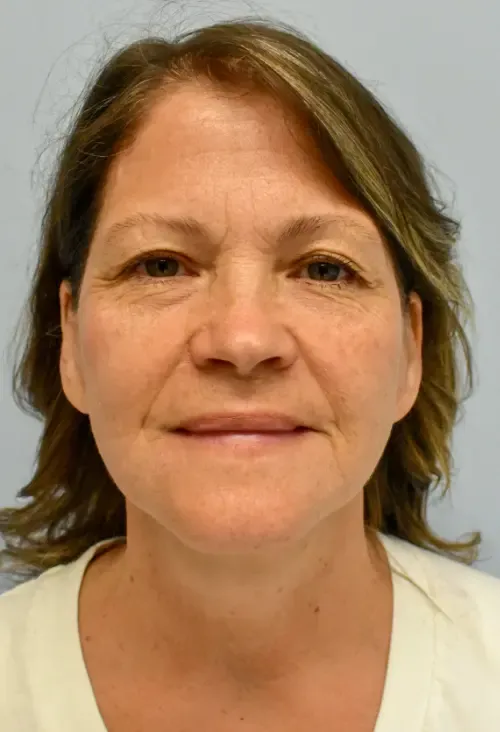
Facelift patient 1, after
Before After
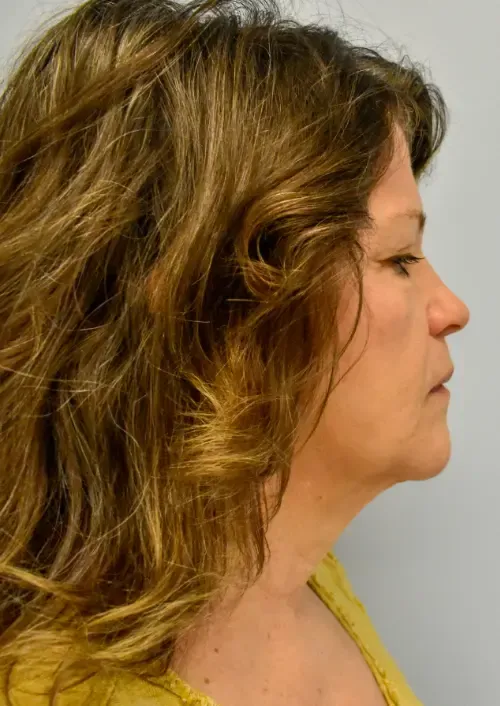
Facelift patient 2, before
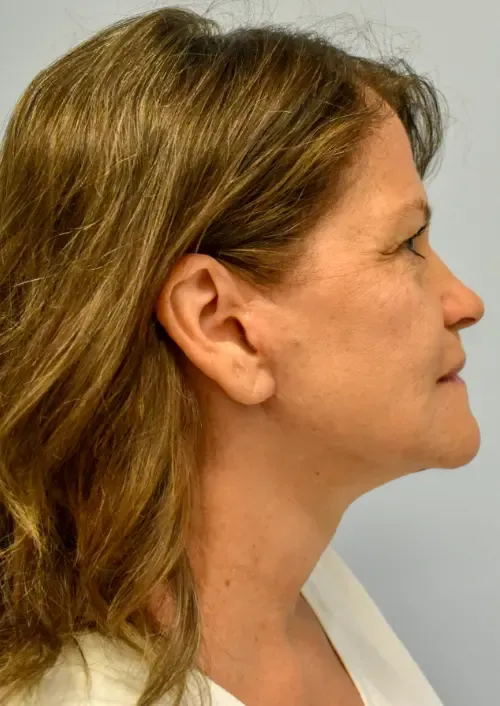
Facelift patient 2, after
Before After
Facelift patient 3, before
Facelift patient 3, after
Before After

Recovery

Recovery from facelift surgery varies from patient to patient. In general, here’s what you can expect:

  1. Immediate Post-Operative Care

    After surgery, you will be monitored in a recovery room before being discharged. You will need someone to drive you home and stay with you for the first 24 to 48 hours. Your face may be wrapped in bandages to minimize swelling and bruising.

  2. First Week

    Most of this week will be spent resting and healing. Swelling, bruising, and some discomfort are normal during this time. These symptoms can be managed with prescribed medications. You will be advised to keep your head elevated and avoid bending over or doing strenuous activities. Most patients can return to work after about 10 to 14 days.

  3. Resuming Activities

    Light activities can generally be resumed within two weeks, but strenuous activities, especially those that involve bending or lifting, should be avoided for at least 4 to 6 weeks.

  4. Long-Term Recovery

    While much of the swelling and bruising will subside within the first few weeks, it can take several months for your face to fully heal and for the final results to become apparent. You will have follow-up appointments to monitor your progress and address any concerns.

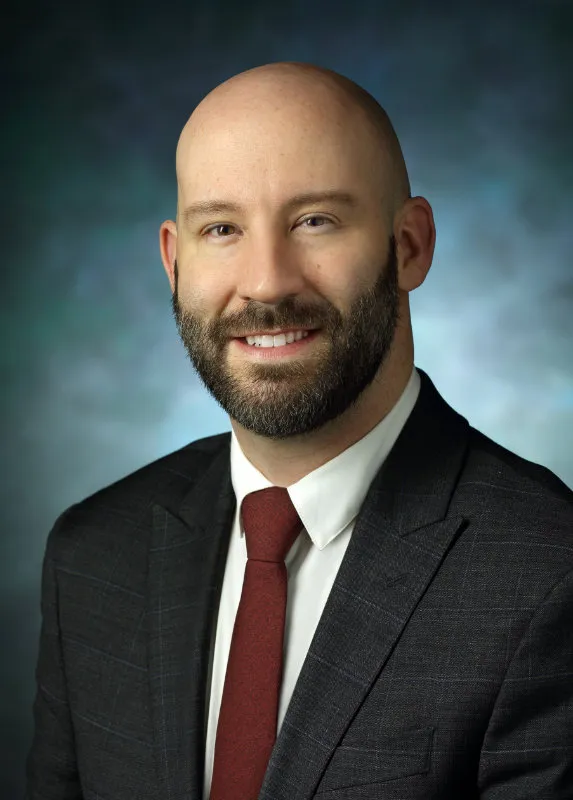
Dr. Colton McNichols, MD FACS

Your Surgeon

Colton McNichols, MD FACS

Dr. McNichols performs facelift surgery at his practice in Pueblo, Colorado, and will discuss at consultation which techniques suit your anatomy and goals.

Dr. Colton McNichols is a board-certified plastic and reconstructive surgeon living in Colorado. After completing his training at Johns Hopkins Hospital, he moved with his family out west to enjoy the scenery and outdoors. Throughout his career, he has focused more of his practice on cosmetic surgery and body contouring after weight loss.

Learn more about Dr. McNichols
  • American Board of Plastic Surgery
  • The Aesthetic Society
  • American Society for Aesthetic Plastic Surgery
  • American Society of Plastic Surgeons
  • Fellow of the American College of Surgeons

Frequently Asked Questions

How long do the results of a facelift last?

The results of a facelift can last for many years, but the procedure cannot stop the aging process. Over time, you may notice some natural changes resurface due to aging. Nonetheless, because of the extensive rejuvenation provided by a facelift, your face will always appear younger than if you had not undergone the procedure.

Will a facelift leave noticeable scars?

Facelift scars are typically well-hidden within the hairline and behind the ears. The extent of scarring depends on the techniques used, the degree of correction, and your individual healing process. Scars typically fade over time and become less noticeable. Following proper aftercare instructions can help your scars heal well and minimize their appearance.

Are there risks associated with facelift surgery?

As with any surgery, there are risks associated with facelift surgery. These can include infection, bleeding, adverse reactions to anesthesia, nerve injury, asymmetry, and prolonged swelling or bruising. However, these risks are minimized when the procedure is performed by a qualified and experienced plastic surgeon. The risks of this procedure will be discussed with you in detail beforehand.

Can a facelift be combined with other procedures?

Yes, a facelift can be combined with other facial procedures (such as a brow lift or eyelid surgery) to address specific areas and achieve a more comprehensive rejuvenation. Combining procedures can also reduce overall recovery time compared to having multiple surgeries separately.

How soon will I see the results of my facelift?

You will start to see the results of your facelift as the swelling and bruising subside, usually beginning the second or third week after surgery. However, it can take several months for your face to fully heal and for the final results to be visible. Most patients find that their appearance continues to improve over the first six months as the tissues settle.

Personalized Solutions To Achieve Your Ideal Image

Contact us to schedule a consultation with Dr. McNichols to begin your transformative journey.

Get Started